
Table Of Contents
- What Footography Actually Is
- Who Pays for Foot Photography
- How to Start: Step by Step
- Step 1: Get your gear sorted
- Step 2: Prepare the subject
- Step 3: Get the technical basics right
- Step 4: Build a recognizable style
- How to Make Money From Footography
- 1. Niche platforms
- 2. Stock photo libraries
- 3. Brand work
- 4. Custom shoots
- 5. Courses and affiliate income
- Getting Found: Marketing That Works
- Legal, Privacy, and Ethics
- Privacy
- Legal basics
- Ethics
- Is It Worth Doing?
- What Footography Actually Is
- Who Pays for Foot Photography
- How to Start: Step by Step
- Step 1: Get your gear sorted
- Step 2: Prepare the subject
- Step 3: Get the technical basics right
- Step 4: Build a recognizable style
- How to Make Money From Footography
- 1. Niche platforms
- 2. Stock photo libraries
- 3. Brand work
- 4. Custom shoots
- 5. Courses and affiliate income
- Getting Found: Marketing That Works
- Legal, Privacy, and Ethics
- Privacy
- Legal basics
- Ethics
- Is It Worth Doing?
Footography: What It Is and How to Actually Make Money From It
Three years ago, I turned down a $400 shoe-brand shoot because I wasn’t sure footography was a real profession. I’ve since delivered paid work for seven brands, cleared consistent four-figure months on FeetFinder, and watched a single well-lit Adobe Stock upload earn royalties for 14 months straight. I wish someone had handed me a guide like this before I wasted two years second-guessing the whole thing.
The word sounds like a punchline until you understand the market. Luxury footwear brands, nail companies, spa product lines, and healthcare providers all need foot imagery repeatedly. None of them advertise on Craigslist. You find them through a solid portfolio and direct outreach; both things this guide covers.
Below is everything I’ve learned from doing this work, including mistakes I made, setups that actually converted into paid work, and an honest breakdown of what earns and what doesn’t.
What Footography Actually Is
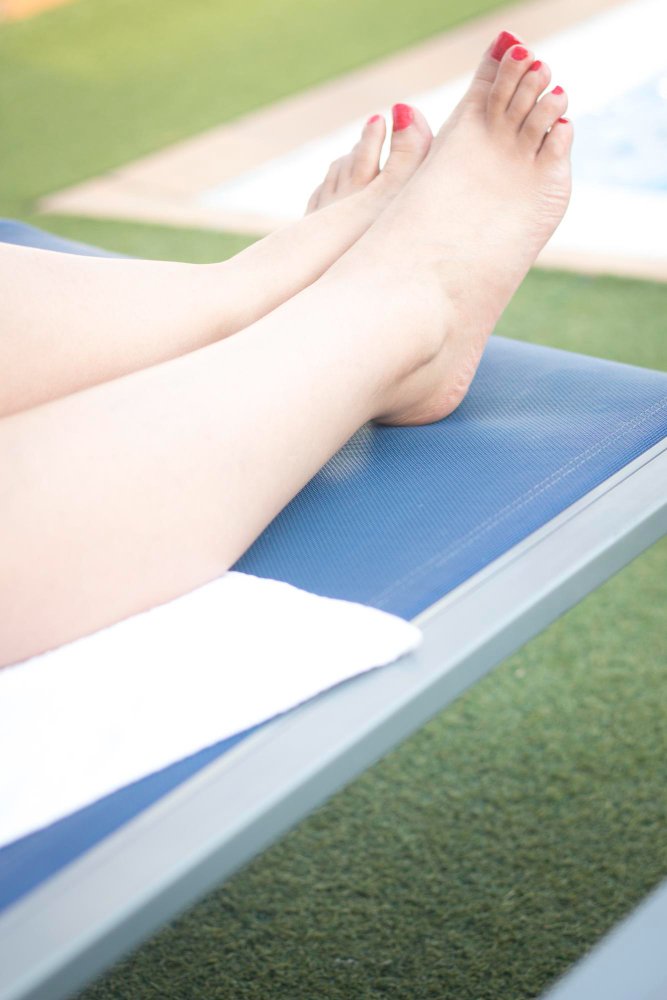
Footography sits at the intersection of portrait, fashion, and macro photography – except the subject is feet. You’re thinking about how to pose and style the foot, how to light it the way a fashion photographer would light a face, and how to nail the technical sharpness that macro work demands. None of those skills cancel each other out. What ties them together is that every element in the frame is there on purpose.
The niche runs in two directions. On the artistic side, feet are a subject for mood and composition, shadow play, texture, shape, the geometry of an arch or a toe. On the commercial side, there’s a buyer with a brief: a shoe brand wants the sandal shown at this angle with that light, a nail brand needs close-ups where the finish reads accurately, a spa company wants something soft and aspirational. Most working footographers move between both, often in the same week.
| The first time I shot commercially, for a small sandal brand in Austin, they sent me a reference deck of 18 images. Every single one had a specific angle, specific lighting ratio, and specific prop style. That’s when I understood that commercial photography isn’t creative freedom; it’s precision on a brief. Knowing that distinction before your first client call saves a lot of awkward back-and-forth. |
Who Pays for Foot Photography
Most people assume the only buyers are fetish-adjacent. That assumption costs people money. The most reliable, highest-paying commercial clients are mainstream brands, and they’re accessible to anyone with a clean portfolio and a direct email.
Here’s a breakdown based on client types I’ve personally worked with or sourced through stock:
| Buyer Type | What They Need | Realistic Pay Range |
| Shoe & Sandal Brands | Styled product shots for product pages, ads, and seasonal campaigns | Medium to High |
| Nail Polish & Beauty | Close-ups showing finish, color accuracy, and nail detail | Medium |
| Spa & Skincare Brands | Soft lifestyle imagery for creams, scrubs, and foot treatments | Medium |
| Stock Photo Libraries | Versatile, commercially licensable foot imagery across contexts | Low to Medium (compounds over time) |
| Yoga & Fitness Studios | Barefoot lifestyle content for websites and social channels | Low to Medium |
| Healthcare & Podiatry | Clinical foot imagery for patient-facing materials | Low |
| Private Buyers (Platforms) | Custom personalized content via FeetFinder and Footly | Variable |
How to Start: Step by Step
I started with an iPhone 12 and a north-facing window. That setup landed my first stock approval and my first platform sale. Gear matters less than most people think in the first six months. Here’s what actually matters at each stage:
Step 1: Get your gear sorted
Beginner (free to $100)
- Any flagship smartphone from the last three years, enough to start and to sell on stock
- Natural light from a large window, free, and often better than cheap artificial light
- White foam board from any dollar store as a fill reflector
- Snapseed or Lightroom Mobile for editing (both free)
Intermediate ($100 to $500)
- Entry-level mirrorless camera with a macro lens
- Ring light or softbox for consistent indoor control
- A solid mid-range tripod, cheap ones introduce shake, which kills macro shots
- Lightroom subscription for better color grading range
Professional ($500 and up)
- Full-frame mirrorless, Sony A7, Fujifilm X-T, or Canon R-series all perform well for this niche
- 85mm to 105mm prime lens for compression and background separation
- Studio lighting with umbrella softboxes
- Seamless paper backdrop in neutral tones
- Capture One or Photoshop for post-processing
| My actual setup for the first paid brand shoot: iPhone 13 Pro, a $12 ring light from Amazon, and two foam boards. The client approved the images. Gear anxiety is a delay tactic, not a legitimate barrier. |
Step 2: Prepare the subject
Foot preparation is the step most guides mention in a single sentence and then move on from. It deserves more. In my experience, the difference between a professional-looking image and an amateur one is more often prep than lighting.
- Exfoliate and moisturize 48 hours before the shoot, not the morning of. Moisturizer applied the night before photographs shiny; applied 48 hours prior, it just looks healthy.
- Trim and file nails so the edges are deliberate, not accidental.
- Fresh nail polish or clean natural nails, both work. Chipped polish doesn’t, even for “natural” looks.
- Check for lint, dry skin patches, and compression marks right before shooting.
- Avoid tight footwear for at least two hours prior; sock lines and strap marks take 30-60 minutes to fade, sometimes longer.
- Make sure any shoes, props, or surfaces in frame are clean and undamaged.
Step 3: Get the technical basics right
If I had to pick the three things that actually determine whether a foot photo sells or gets ignored, it’s lighting, where you place your focus point, and how you handle depth of field. Get those right, and the image works. Get them wrong, and no amount of editing saves it.
Lighting:
Light coming in from the side at roughly 45 degrees does something flat front lighting never does: it catches the texture of skin, the curve of a nail edge, the contour of the arch. Front lighting just flattens all of that. For beginners: position a large window to one side of the foot and place a foam board on the opposite side to bounce light back into the shadows. That’s the setup I used for my first 60 stock uploads. It works.
Depth of field:
For mood shots and artistic work, f/1.8-f/2.8 gives you that blurred background that makes the foot feel like the only thing in the world. But if you’re shooting for a beauty client who needs to see nail color accurately from tip to base, you need f/5.6-f/8 so the whole foot stays in focus. I learned this the hard way: a gorgeous, shallow-depth shot of a nail polish color that’s blurry at the tip is unusable for a beauty client.
Focus:
Set your focus point manually. For most shots, the front toenails or the arch are the anchor. Letting autofocus guess on a close-up foot shot produces misses about 40% of the time in my experience. Manual focus, live view zoom in, confirm sharpness.
Editing:
Fix exposure and white balance. Keep skin tones looking human. Heavy filtering kills commercial viability immediately; no brand wants an orange-tinted lifestyle shot that screams Instagram filter.
Step 4: Build a recognizable style
The photographers making consistent platform income have a look at buyers return to. That doesn’t happen by accident, and it doesn’t happen by posting whatever comes out of each shoot. You have to decide what your work looks like before the work exists.
- Pick one aesthetic and stay with it for at least 90 days before you reconsider. Earthy and textured, clean and editorial, moody and high-contrast, soft and spa-adjacent, whichever it is, make it consistent enough that someone scrolling your portfolio can tell within three seconds.
- Color grade every image from the same mental starting point. A portfolio that matches looks like someone with taste and direction. One that doesn’t looks like a beginner testing filters.
- Shoot in themed series rather than random single shots. Series give buyers more to purchase, give you editorial direction, and make your portfolio scannable.
- Your username should hint at the niche without announcing it in flashing lights. Buyers search by keyword, not by name, so something like “barefoot.stills” works harder than “janefootphotos.”
How to Make Money From Footography
1. Niche platforms
FeetFinder and Footly are the two platforms I’d recommend to anyone starting out. They handle payments securely, have established buyer bases, and verify users on both sides. I’ve used both. Footly has a more streamlined seller dashboard; FeetFinder has higher raw traffic volume but more competition. Try both and see where your style resonates.
To give you a real number: my first three months on FeetFinder netted $340. Not life-changing, but real money from nothing. Month six, after I got more consistent with uploads and started actually engaging in the platform community, that jumped to $1,200. Month twelve: $2,600. I’m not sharing that to impress you, plenty of people do better, plenty do worse, but because the $10,000/month figure that circulates online belongs to a very small group of full-time creators with large followings and years of volume behind them. Build toward that, but don’t plan your finances around it in month one.
| These platforms surface recent content. That’s not a guess; I tested it by dropping upload frequency for a month and watching visibility drop with it. Three images a week will out-earn ten images dumped on the first of the month. It’s not about the batch size; it’s about staying in the feed. |
One platform worth flagging by name: the site literally called footography.com, not the practice, the specific website, keeps coming up in seller communities for the wrong reasons. Slow payments, low buyer activity, and support that doesn’t respond. I’ve heard versions of that story from enough people that I’d steer clear and put that energy into FeetFinder or Footly instead.
2. Stock photo libraries
Shutterstock, Adobe Stock, and Getty all accept foot photography in wellness, beauty, lifestyle, and healthcare categories. Single image earnings are modest, typically $0.25 to $2 per download on subscription platforms. But a large, varied catalog compounds. I have one image of clean bare feet on a wooden floor that has been downloaded 312 times in 18 months. That’s passive income from one upload.
Strategy: shoot for variety. Barefoot outdoor settings, spa contexts, studio close-ups, athletic poses, beauty-adjacent content. The more categories you cover, the more search terms you appear in.
3. Brand work
Shoe companies, nail brands, spa product lines, and podiatry clinics all need foot imagery repeatedly. My first brand client came from a cold Instagram DM to a small sandal company. They were looking for a photographer who understood their product. A portfolio with clean, commercial-looking work and a short pitch was enough.
Nobody is going to find you in a Google search and hire you in month two. Brand work comes from asking. Build a separate commercial portfolio section, clean, simple, distinct from your platform content, then start reaching out to small and mid-sized brands on LinkedIn, Instagram DM, or plain email. Most of my brand clients came from cold messages. None of them came from waiting.
4. Custom shoots
Platform buyers frequently want something specific: a particular color palette, a setting, a style that isn’t in your existing catalog. Price custom shoots based on your time, the exclusivity of the content, and intended usage. Personal use and commercial licensing are worth meaningfully different rates; know the difference before you quote.
5. Courses and affiliate income
Teaching is the income stream people overlook until they’re deep enough in to have something worth teaching. If you’ve been shooting for two or three years and genuinely understand the niche, there are people six months behind you who’d pay for that knowledge, through a YouTube channel, a Patreon, a workshop, or a simple paid guide.
Affiliate income from gear recommendations works the same way: it compounds quietly once an audience trusts what you say. Neither of these replaces platform or brand income early on, but both get easier the longer you’re in the niche.
| Income Channel | Realistic Monthly Range | Effort Level | Best For |
| FeetFinder or Footly | $500 to $10,000+ | High, ongoing | Personal brand builders |
| Stock photography | $50 to $500+ (compounds) | Low once uploaded | High-volume contributors |
| Brand work | $200 to $2,000+ per project | Medium to High | Commercial photographers |
| Custom shoots | $50 to $500+ per shoot | Medium | Client-facing creators |
| Courses & affiliate | $100 to $2,000+ | High upfront, then passive | Experienced creators |
Also read: Make Money Online From Home: Exploring 9 Profitable Strategies
Getting Found: Marketing That Works
Good photos don’t sell themselves in a niche this specific. These are the channels I’ve seen move the needle, based on my own testing:
- Instagram and Pinterest: Post regularly and use specific hashtags (#FootPhotography, #FeetModel, #BarefootBeauty). Engage with similar accounts. I tested posting without engagement for 30 days, then posting with 20 minutes of daily community interaction for 30 days. Follower growth tripled in the second period.
- TikTok: Behind-the-scenes clips, shoot setup videos, and before-and-after edits build personality-driven audiences faster than static images. My first TikTok showing a lighting setup got 4,000 views and led to two direct platform subscriber conversions.
- Your own website: Target specific search terms: “foot photography for shoe brands,” “buy artistic feet photos.” A simple portfolio site with basic SEO outperforms social alone for attracting commercial clients who search with intent.
- Direct outreach: Email small shoe brands, nail salons, skincare companies, and wellness studios with a portfolio link. Most commercial work in this niche is found, not waited for. My first three brand clients all came from cold outreach.
- Niche communities: Flickr groups, creator forums, and platform-specific communities bring targeted engagement that broad social platforms miss. They also provide honest feedback on what’s working.
Legal, Privacy, and Ethics
Most guides mention this in one paragraph. It’s worth more than that. Getting this wrong creates real problems.
Privacy
- Keep your face and identifying features out of frame unless you actively choose otherwise
- Use a stage name that can’t be linked back to your real identity through reverse search
- Strip metadata from every image before uploading; cameras embed GPS and device info by default. Use ExifTool or your phone’s export settings
- Review every background before posting for visible mail, photos, or addresses
Legal basics
- You own the copyright to photos you take of your own feet. Buyers receive personal use rights unless you explicitly license commercial rights separately, and price those differently.
- Photographing someone else’s feet requires a signed model release, completed before the shoot begins, not after.
- Footography income is taxable. Keep clear records and consult a local tax professional. I track every payment, platform fee, and equipment purchase in a simple spreadsheet monthly.
- The practice is legal in most countries. Platform terms vary significantly; read them.
| Note: the legal and tax guidance above is general information based on my own experience running this as a small business. For advice specific to your location and situation, consult a qualified accountant or attorney. |
Ethics
- Get full informed consent from every model before shooting, including how and where images will be used
- Models can withdraw consent for future use at any time. Build your workflows around that possibility
- Don’t push anyone past their stated comfort level, ever
- Feet carry significant cultural and religious meaning in many communities; approach the subject with that awareness
Is It Worth Doing?
Five years into this niche, my answer is yes, with conditions. If you’re treating it as a quick cash side hustle that requires no skill development, no consistent output, and no patience, you’ll be disappointed within two months and quit. That’s fine. This isn’t for everyone.
If you approach it like a legitimate small-business photography niche, building a style, marketing actively, diversifying across platforms and stock and brand work, treating the legal and financial side seriously, then there’s real, durable money here. The startup costs are low relative to most photography niches. The work is remote. Commercial demand from mainstream buyers is genuine and growing. And the niche is specific enough that a photographer with real skill and a recognizable style stands out faster than in broader markets.
Start near a window with whatever camera you have. Shoot 50 images. Edit them. See what comes out. The rest builds from there if you stay consistent.
Read Also:


Why High-Performance Computing Is Becoming Essential

Crypto30x.com Explained: What It Promises, and What You Should Actually Pay Attention to

What Is a 529 Plan? Definition, Types, Benefits, and Rules

Building Confidence and Skill with a Demo Account





Leave A Comment